

whale watching

Yachats offers some of the best whale-watching opportunities on the Oregon Coast. From the town’s three day-use state parks to nearby viewpoints, visitors can often spot gray whales as they migrate along the Pacific or feed close to shore. Whether you’re a first-time visitor or a seasoned whale watcher, Yachats’ coastline provides unforgettable encounters with these majestic animals.
When to Watch
Gray whales are visible along the Oregon coast year-round, but timing your visit can maximize sightings:
Winter Migration (mid-December through mid-January): Thousands of gray whales head south to the warm lagoons of Baja, Mexico.
Spring Migration (late March through June): Northbound whales travel back toward Alaska, passing Yachats in impressive numbers. During peak migration, you may see up to six whales per hour.
Summer & Fall: About 200 gray whales remain along the Oregon coast to feed, often close enough to see from the shoreline or even your oceanfront window.
With the Cape Perpetua Marine Reserve just south of town, Yachats offers protected waters and kelp forests where whales often forage, giving visitors excellent chances to observe gray whales in action
Where to Watch
Some of the best spots to see whales near Yachats include:
Yachats State Parks: Visitors can enjoy easy coastal views from several public areas within Yachats.
Cape Perpetua Visitors Center: About 3 miles south of downtown Yachats, offering elevated ocean views.
Cook’s Chasm Turnout: Roughly 3.25 miles south of Yachats, ideal for scanning the waves.
Sea Lion Caves Turnout: About 15 miles south, with broad coastal views and frequent wildlife sightings.
With plenty of elevated viewpoints and safe access points, Yachats is perfect for enjoying whales without leaving the shore.
Tips for Spotting Gray Whales
Gray whales are lively and often full of surprises. While scanning the ocean, watch for these telltale signs:
Spouts or Blows: Look for misty plumes of water as a whale exhales at the surface.
Dorsal Fins: Small fins break the waterline as whales swim close to the surface. Binoculars can make spotting them easier.
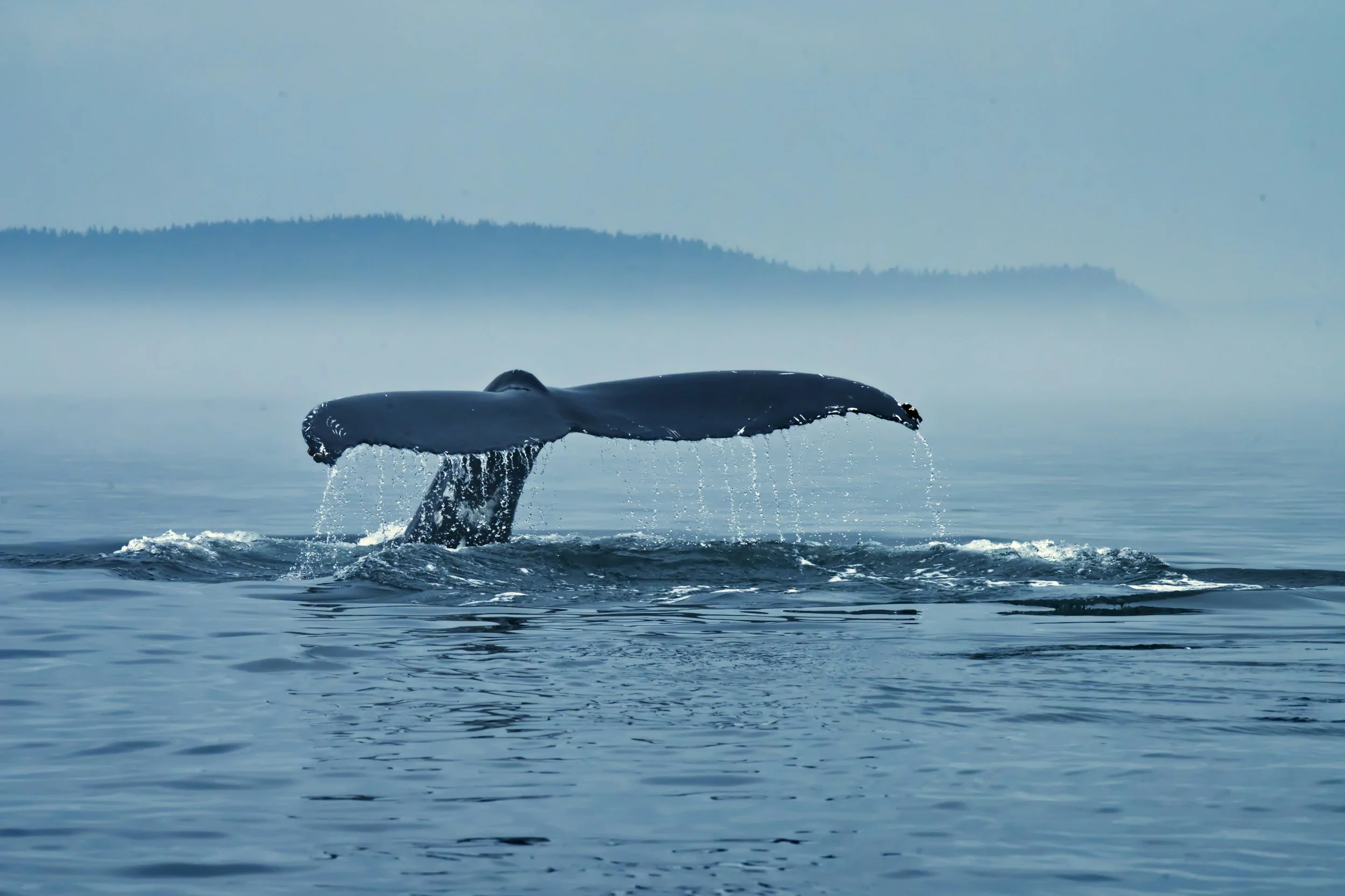
Tail Flukes: When a whale dives, its tail may lift out of the water before it disappears, usually resurfacing elsewhere.
Splashing & Breaching: Whales frequently make dramatic splashes, especially when leaping or breaching.
Groups: Observing a pod increases your chances of seeing active behaviors compared to spotting a solitary whale.
Why Yachats is Special
Yachats is included on Oregon State Parks’ official map of prime whale-watching spots. With the nearby marine reserve and protected coastal habitat, you can often witness whales feeding, diving, and breaching close to shore. Even if you’re staying at a local oceanfront lodging like Overleaf Lodge & Spa, Fireside Motel, or the Adobe Resort, you may catch a glimpse right from your window.
Whether you visit in winter, spring, or summer, whale watching in Yachats offers a front-row experience of one of the Oregon Coast’s most iconic migrations.